How to Conduct Effective Security Audits in Mahopac
Conducting effective security audits in Mahopac is crucial for businesses aiming to protect their assets and maintain compliance with industry standards. A well-executed security audit can identify vulnerabilities, assess risks, and provide actionable recommendations to enhance security measures.
Understanding the Importance of Security Audits
Security audits are essential for ensuring that your business's security protocols are robust and effective. In Mahopac, where businesses are increasingly targeted by cyber threats, regular audits help in identifying potential weaknesses in your systems. By addressing these vulnerabilities, you can prevent unauthorized access and data breaches.

Setting Clear Objectives
Before conducting a security audit, it's important to define clear objectives. Determine what you hope to achieve, whether it's compliance with regulations, identification of vulnerabilities, or assessment of current security measures. Having specific goals will guide the audit process and ensure more effective outcomes.
Choosing the Right Team
Assemble a team of skilled professionals who understand the nuances of security audits. This team may include internal IT staff and external security consultants. Their expertise will be instrumental in analyzing and interpreting audit findings accurately.
Steps to Conduct a Security Audit
Conducting a security audit involves several key steps. Here's a structured approach to help you get started:
- Preparation: Gather all necessary documents, including security policies, network diagrams, and access logs.
- Assessment: Evaluate the current security measures in place, identifying areas of strength and weakness.
- Testing: Perform penetration testing and vulnerability assessments to simulate potential threats.
- Analysis: Analyze the data collected to pinpoint vulnerabilities and risks.
- Reporting: Compile findings into a comprehensive report, detailing vulnerabilities and recommended actions.

Implementing Recommendations
After the audit, it's crucial to implement the recommendations provided. This may involve updating software, enhancing network security, or revising access controls. Prompt action will mitigate risks and strengthen your security posture.
Regular Follow-Ups
Security is not a one-time concern. Regular follow-up audits are necessary to ensure that implemented measures remain effective and adapt to evolving threats. Scheduling periodic audits will help maintain a robust security framework.
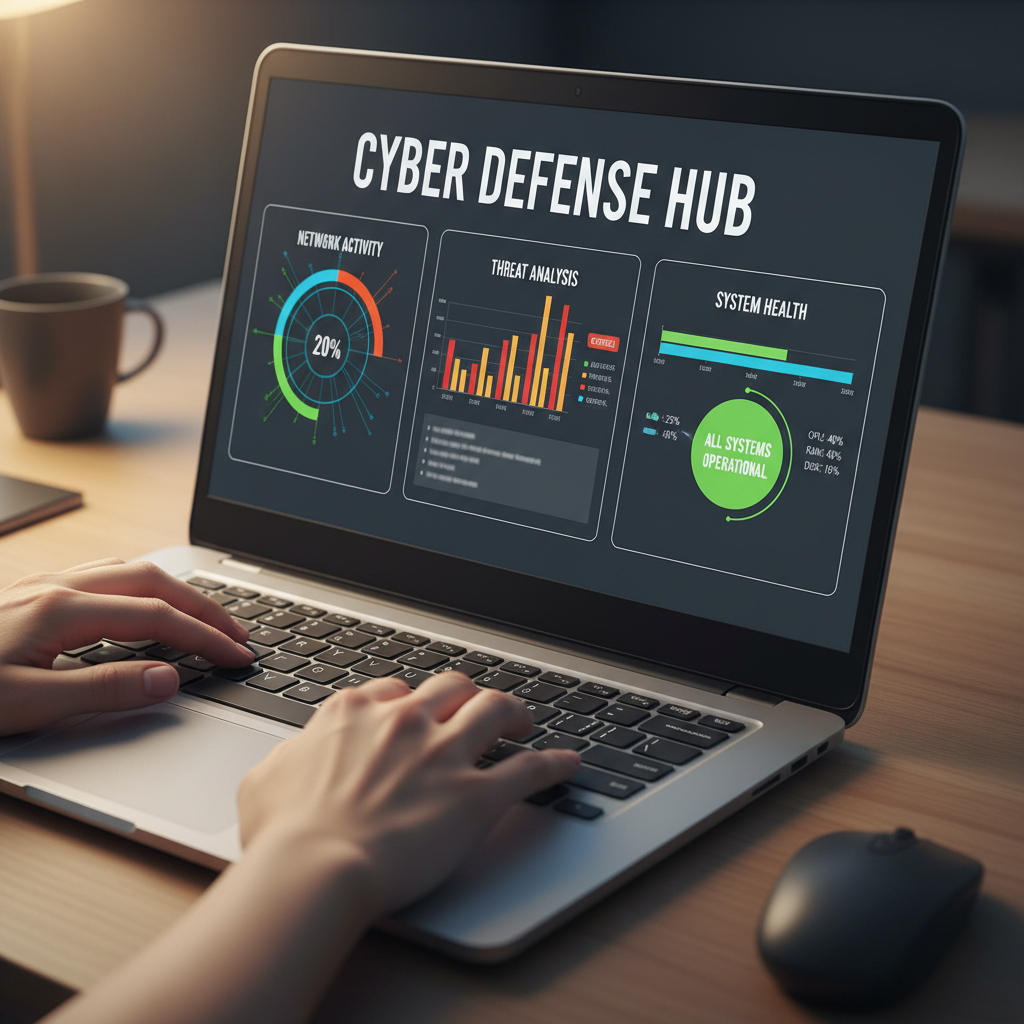
Embracing a Proactive Security Culture
Developing a proactive security culture within your organization is vital. Educate employees about security best practices and encourage vigilance. A well-informed team can act as the first line of defense against potential threats.
In conclusion, conducting effective security audits in Mahopac requires careful planning, skilled execution, and ongoing commitment. By following these guidelines, businesses can enhance their security measures and protect their valuable assets from potential threats.