How to Choose the Right Residential Surveillance System for Your Home
Understanding Your Security Needs
Before you invest in a residential surveillance system, it's essential to understand your specific security needs. Consider the size of your property, the number of entry points, and any particular areas that require monitoring. By assessing your home’s layout and potential vulnerabilities, you can select a system that provides comprehensive coverage.
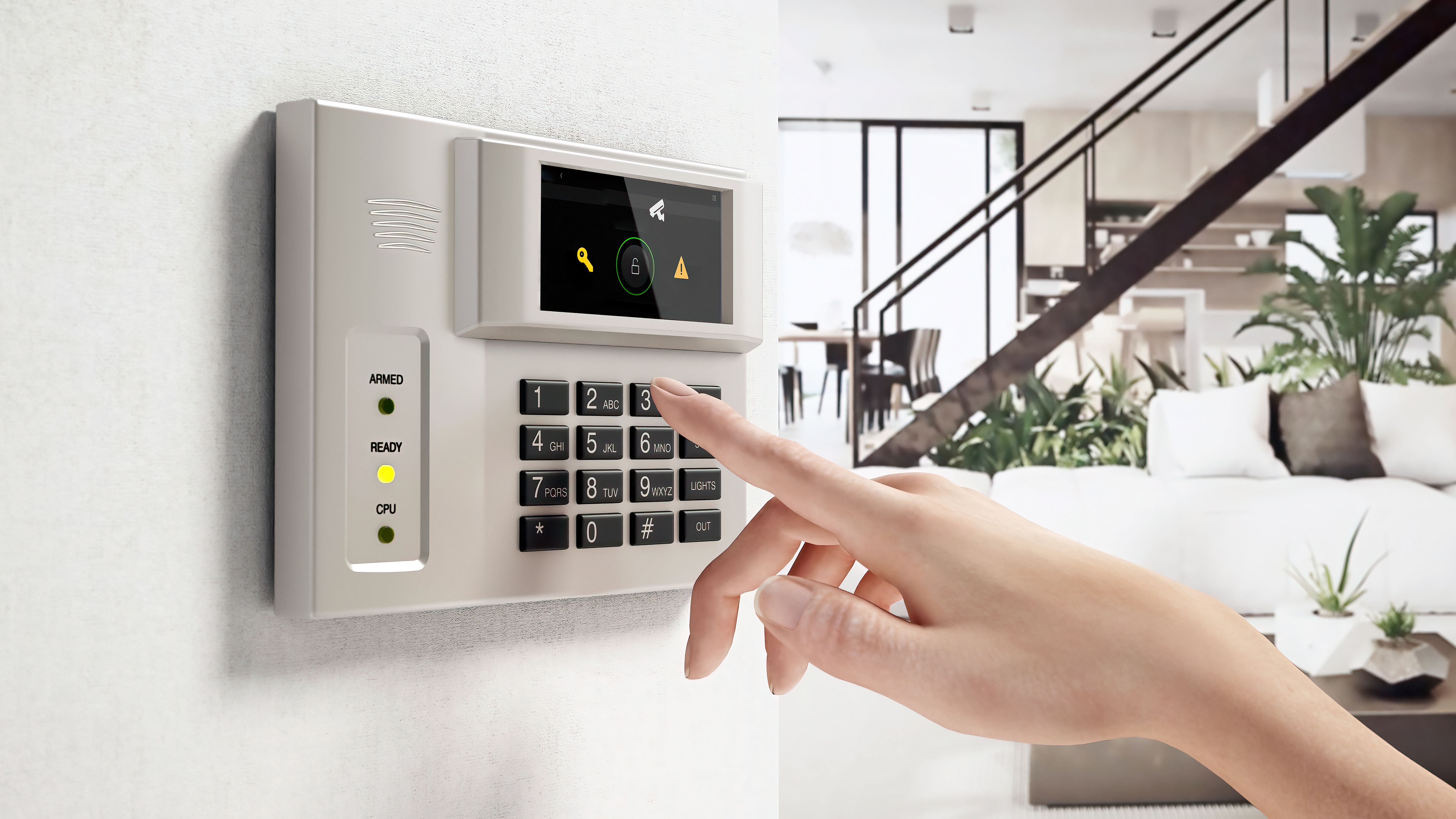
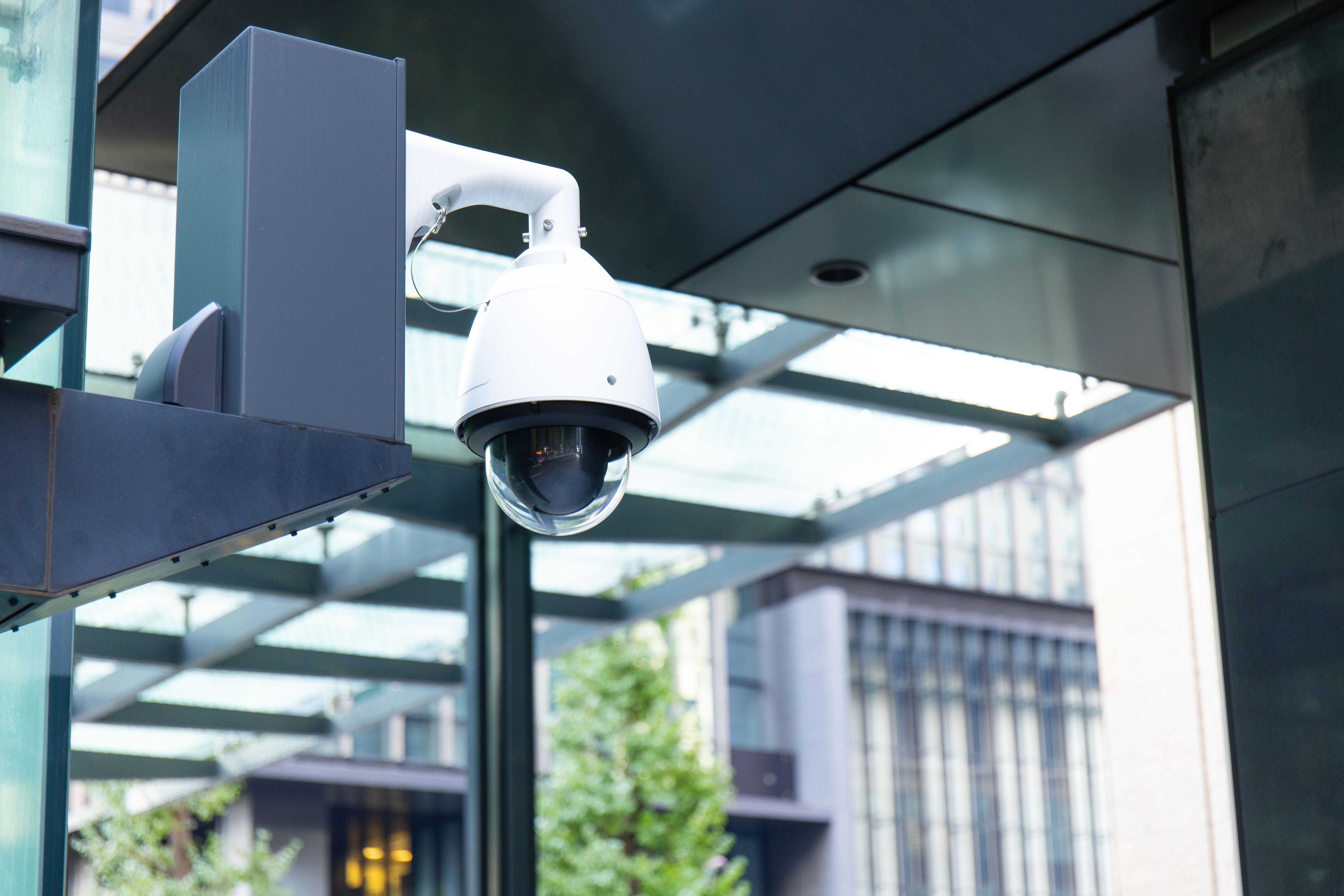
Think about whether you need indoor or outdoor cameras, or both. Outdoor cameras are crucial for monitoring entrances and deterring potential intruders, while indoor cameras can help keep an eye on what's happening inside your home.
Types of Surveillance Systems
Once you have a clear understanding of your needs, familiarize yourself with the different types of surveillance systems available. The most common options include wired, wireless, and wire-free systems. Each has its advantages and disadvantages, which are important to consider based on your specific requirements.
Wired systems offer reliable connections but may require professional installation. Wireless systems are easier to install and offer flexibility in camera placement. Wire-free systems operate on battery power and provide the most flexibility but require regular battery changes.
Considerations for Image Quality
The quality of the footage captured by your surveillance system is crucial. Look for cameras that offer high-definition resolution, ideally 1080p or higher. This ensures clear images that can help identify people or objects in the event of a security breach. Night vision capabilities are also important for monitoring your property around the clock.
Features to Look For
Modern surveillance systems come equipped with a range of features designed to enhance security and convenience. Some key features to consider include:
- Motion detection: Alerts you when movement is detected.
- Two-way audio: Allows communication through the camera.
- Remote access: Lets you view footage from anywhere via smartphone or computer.
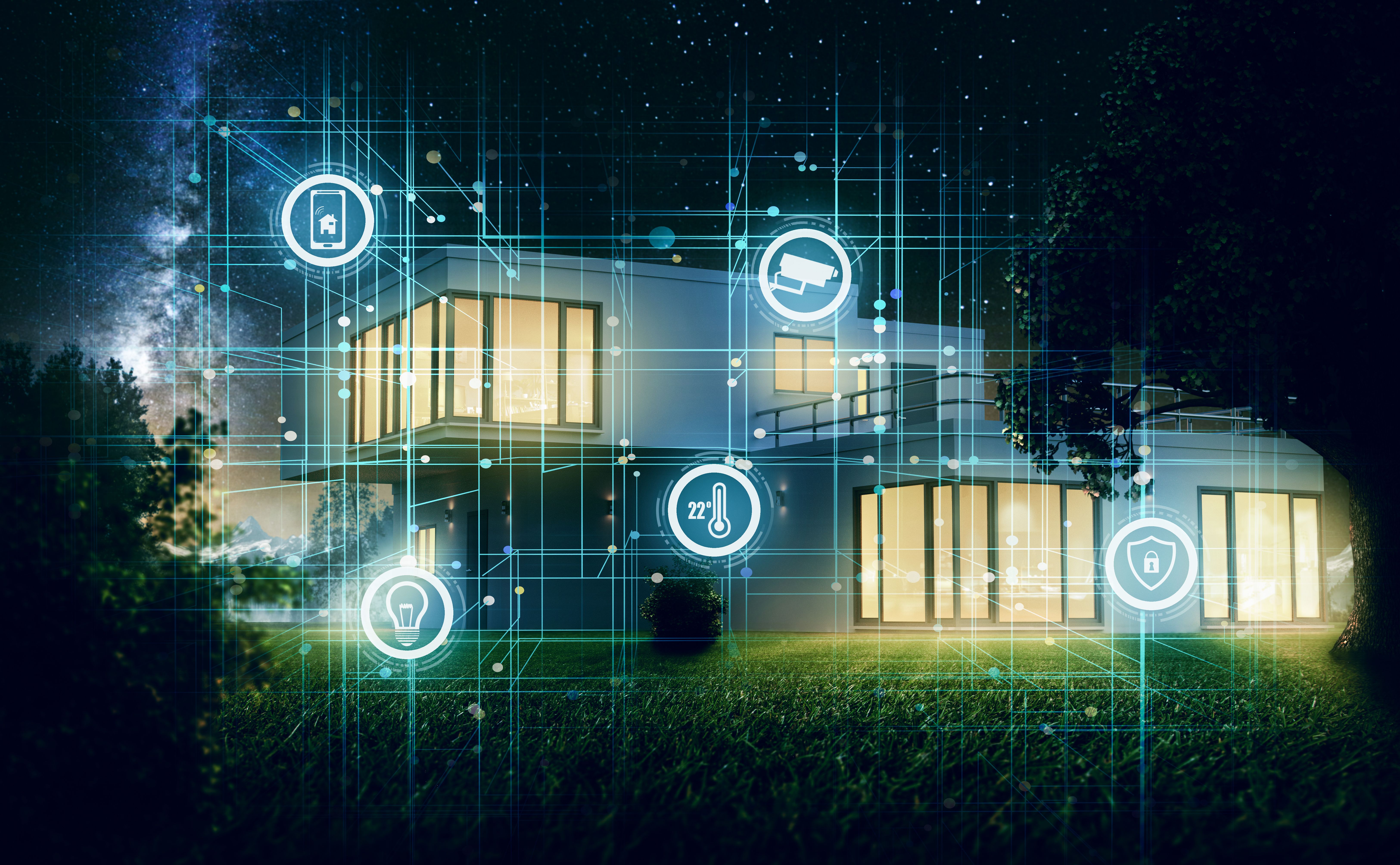
Consider whether these features align with your needs and how they can contribute to a more secure home environment.
Budgeting for Your System
Cost is a significant factor when choosing a surveillance system. Prices can vary widely based on the number of cameras, features, and quality. Set a realistic budget that balances your security needs with financial constraints. Remember that investing in a quality system can provide peace of mind and may prevent costly incidents in the future.
Installation and Maintenance
Consider whether you want to handle installation yourself or hire a professional. DIY systems are typically easier to install, but professional installation can ensure optimal camera placement and system functionality. Regular maintenance, such as software updates and camera cleaning, is also crucial for system longevity and effectiveness.
By thoroughly evaluating your needs and options, you can choose a residential surveillance system that offers the right balance of security, convenience, and affordability for your home.