Debunking Security Myths: What New York Businesses Need to Know
Introduction: The Importance of Security for New York Businesses
In today’s fast-paced digital world, security is a top priority for businesses in New York. Unfortunately, many decision-makers fall victim to common security myths that can leave their organizations vulnerable. To protect your business effectively, it’s crucial to separate fact from fiction and implement strategies based on the reality of modern security challenges.

Myth 1: Small Businesses Aren’t Targets for Cybercriminals
One of the most pervasive myths is that cybercriminals only target large corporations. Many small business owners believe their size makes them less attractive to attackers. However, the opposite is often true. Smaller businesses typically have fewer resources for robust security measures, making them easier targets for hackers.
A recent study revealed that nearly half of all cyberattacks target small businesses, emphasizing the need for vigilance regardless of your company’s size. **Being proactive about cybersecurity is essential**, no matter how small or large your organization may be.
Myth 2: Antivirus Software Alone Is Enough
While antivirus software is an important component of your security toolkit, relying on it alone is a mistake. Modern cyber threats are sophisticated and multifaceted, often bypassing traditional antivirus measures. Businesses need a layered approach to security, combining technologies like firewalls, intrusion detection systems, and encryption methods.
Additionally, **employee training plays a critical role in preventing breaches**. Phishing attacks, for instance, exploit human errors rather than technical vulnerabilities. Educating your staff to recognize threats can significantly reduce risks.

Myth 3: Physical Security Isn’t as Important as Cybersecurity
In an era dominated by digital threats, physical security can sometimes be overlooked. However, physical breaches can be just as damaging as cyberattacks. Unauthorized access to your office, server rooms, or even employee workstations can lead to stolen data and compromised systems.
Implementing measures such as access control systems, surveillance cameras, and secure locks is essential for protecting sensitive information. **A comprehensive security plan should address both physical and digital threats to ensure maximum protection.**
Myth 4: Security Is a One-Time Investment
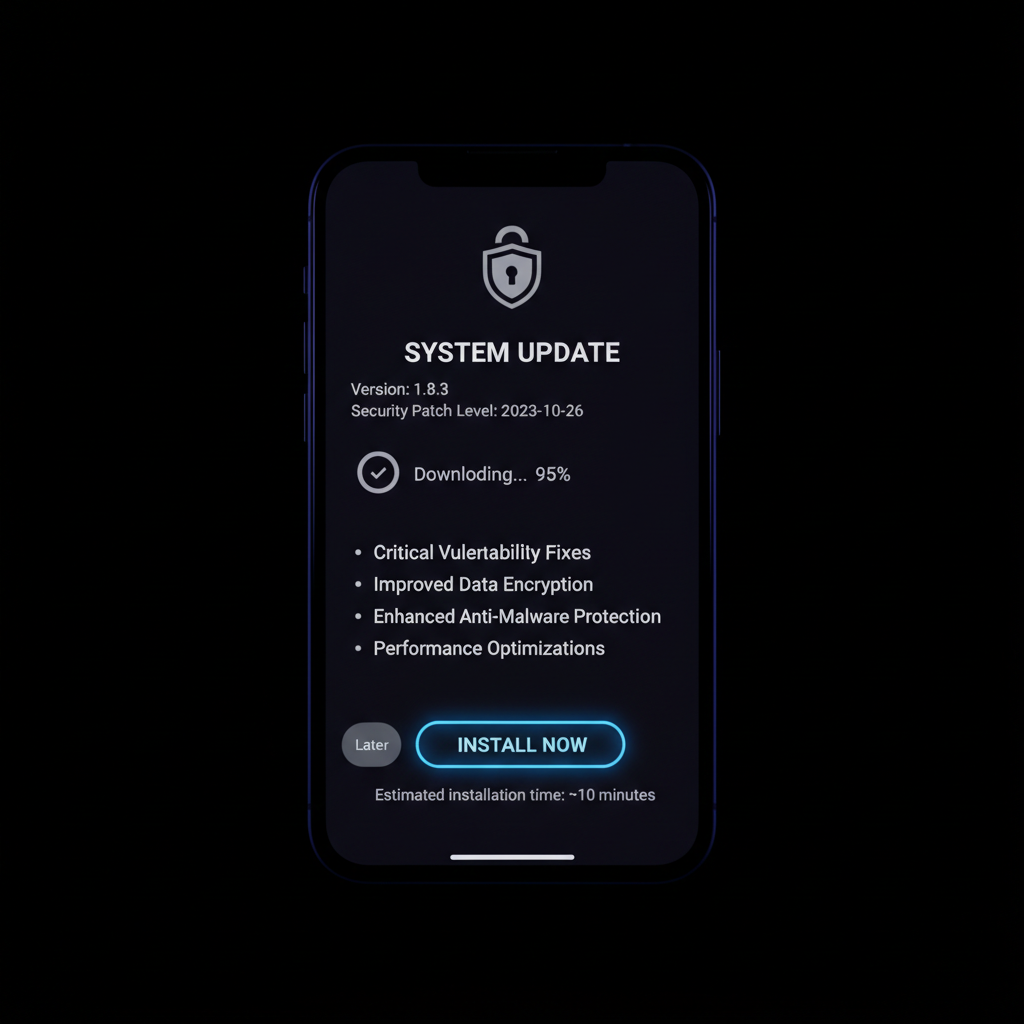
Another common misconception is that security is a “set it and forget it” component of business operations. The truth is, security requires ongoing investment and adaptation. Cyber threats are constantly evolving, and what works today may not work tomorrow.
Regularly updating software, conducting security audits, and staying informed about emerging threats are key to maintaining strong defenses. **Adopting a proactive mindset can save your business from costly breaches and downtime.**
Myth 5: Compliance Equals Security
Many businesses assume that meeting compliance requirements is synonymous with being secure. While compliance is important, it represents the bare minimum needed to avoid legal penalties. True security goes beyond these standards and requires a tailored approach based on your specific risks and vulnerabilities.
For example, compliance frameworks like GDPR or HIPAA provide guidelines, but businesses should also consider additional measures like penetration testing, advanced monitoring systems, and custom policies to address unique challenges.
How to Build a Strong Security Foundation
To combat these myths and strengthen your business’s security, consider the following best practices:
- Conduct regular risk assessments to identify vulnerabilities.
- Invest in advanced security tools and technologies.
- Train employees on cybersecurity best practices.
- Develop a response plan for potential breaches.
- Work with security professionals to stay ahead of emerging threats.

Conclusion: Taking Security Seriously
Debunking these common security myths is the first step toward protecting your New York business from threats. **By understanding the realities of modern security challenges and implementing a comprehensive strategy**, you can reduce risks and safeguard your company’s future. Don’t let misconceptions put your business in jeopardy—invest in robust security today.