Debunking Common Myths About Security Consulting
Understanding Security Consulting
Security consulting is a crucial service in today's technology-driven world. Many organizations rely on security consultants to protect their digital and physical assets. However, several myths and misconceptions persist about this field, leading to misunderstandings and underutilization of these services.

Myth 1: Security Consulting Is Only for Large Corporations
One common myth is that security consulting services are exclusively for large corporations with vast resources. In reality, businesses of all sizes can benefit from the expertise of security consultants. Small and medium-sized enterprises often face similar threats and need tailored solutions to protect themselves. Security consultants can provide scalable and affordable solutions that suit any budget.
Myth 2: It's All About Technology
Another misconception is that security consulting is solely focused on technology. While technology plays a significant role, security consulting also encompasses human elements, policies, and procedures. Effective security strategies consider all aspects, including employee training and physical security measures.

The Role of a Security Consultant
Security consultants offer more than just technical solutions. They provide a comprehensive approach to security, identifying vulnerabilities and recommending improvements across various domains. Their role includes:
- Conducting risk assessments
- Developing security policies and protocols
- Training staff in security awareness
- Monitoring and responding to security incidents
Myth 3: Security Consulting Is a One-Time Solution
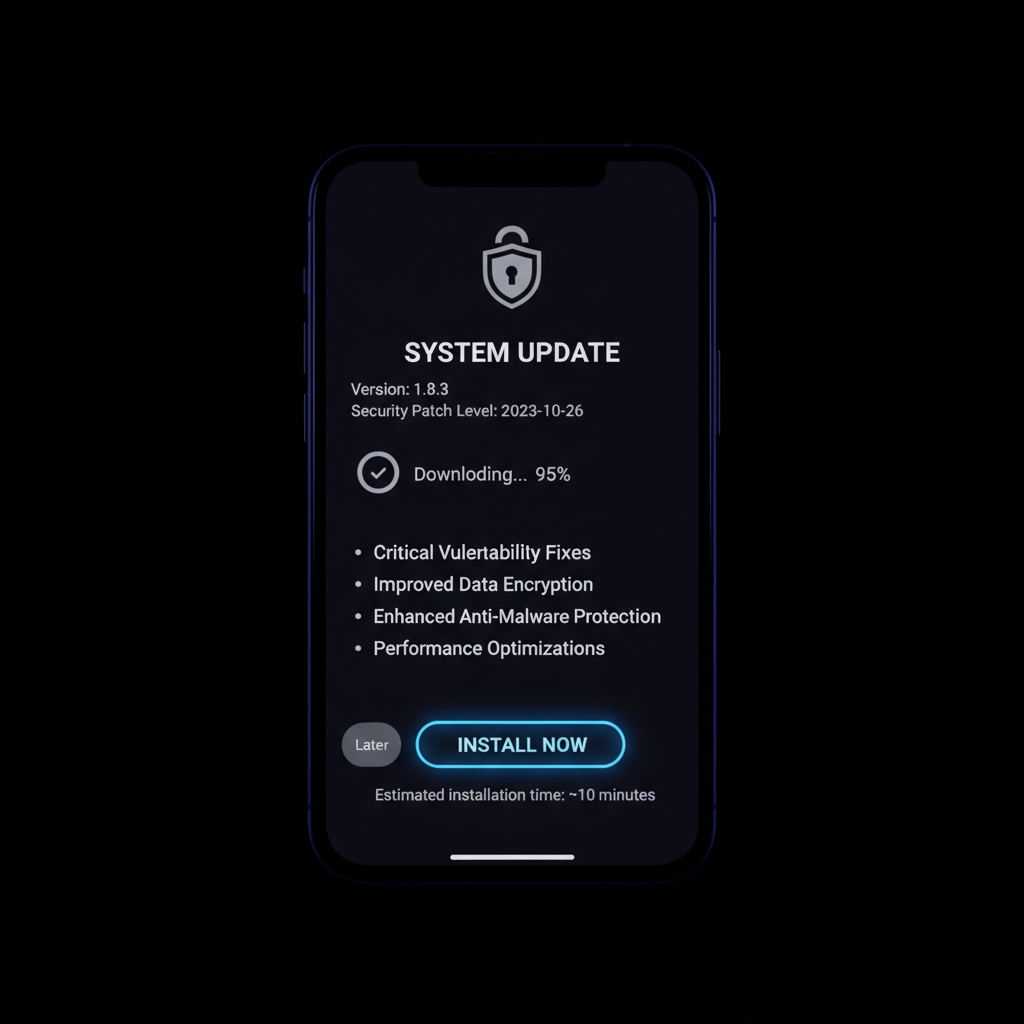
Some believe that hiring a security consultant is a one-time fix. However, security threats are constantly evolving, making ongoing consultation essential. Regular updates and assessments are necessary to stay ahead of new threats and ensure continuous protection.
Myth 4: Only Cybersecurity Matters
While cybersecurity is a critical component, physical security is equally important. Security consultants assess both digital and physical vulnerabilities. From securing data centers to safeguarding office premises, a comprehensive security plan covers all areas of potential risk.
Benefits of Security Consulting
Security consulting provides numerous advantages, including:
- Expertise: Access to specialized knowledge and skills.
- Cost-efficiency: Preventing breaches can save significant costs in the long run.
- Reputation protection: Maintaining client trust by safeguarding sensitive information.
Myth 5: Internal Teams Can Handle It All
Finally, there's a belief that internal IT teams can manage all security needs. While in-house teams are valuable, security consultants offer an external perspective and specialized skills that internal teams might lack. They work alongside internal staff to enhance overall security posture.

Debunking these myths is essential to understanding the true value of security consulting. By recognizing the diverse and comprehensive nature of these services, businesses can better protect themselves and thrive in an increasingly complex security landscape.